Endless Steel Belts

Your Professional Endless Steel Belts Supplier


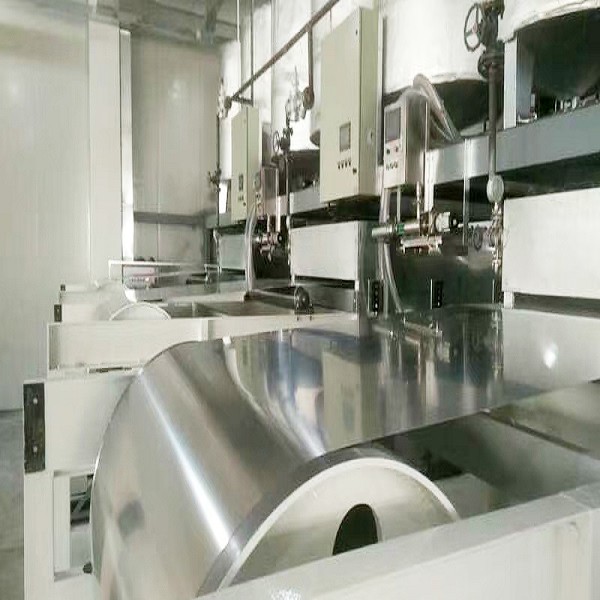
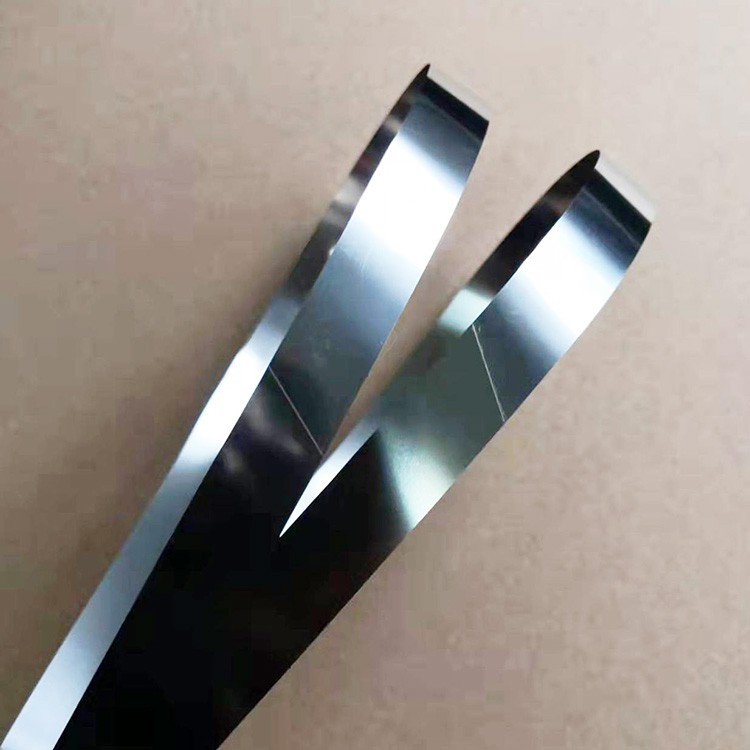
Our goal is to become your true partner in the field of endless steel belts in China. Acome Machinery Co.,Ltd. (Acome) is a professional endless stee belt manufacturer, which is one of technology innovation enterprises with R&D,production and sales. Acome has introduced many types of processing equipments and detection instruments. Our company is committed to applying advanced manufacturing technology and strict quality control standards to every product. The price is competitive and the product is quality-assured, which is a good choice for your long-term cooperation.


Why Choose Us


Product application

Acome professionally tend to manufacture endless steel conveyor belts,band saws, ultra-thin tubes, diamond tools and precision machined parts, for varieties of industrial applications. Acome's products involved in automative, machinery, texile and other fields.


Product market

There are sales branch offices or partners in America, Canada, India,Taiwan and Eastsouth Asia countries. Successfully we have owned many customers of overseas endless steel belts market.


Our service

The company has a professional sales team to provide you with high-quality pre-sales consulting services. During the order production process, customers can communicate with us at any time to understand the production progress. At the same time, we provide high-quality after-sales service to meet the different needs of customers.


Advantages of Endless Steel Belts


High strength

Endless steel belts can support heavy loads without deforming or breaking, making them suitable for transporting large quantities of raw materials and finished products.

01

Durability

The robust construction of endless steel belts ensures a long service life, even in harsh environments where they are exposed to abrasive materials and high temperatures.

02

Resistance to corrosion

Steel belts are often treated with coatings that protect them from corrosion, extending their lifespan in industries where they are exposed to moisture, chemicals, and other corrosive elements.

03

Low maintenance

The seamless design of endless steel belts reduces the need for frequent maintenance, minimizing downtime and operational costs.

04

High temperature resistance

Endless steel belts can operate in high-temperature environments without losing their structural integrity, making them ideal for processes such as metal casting and heat treatment.

05


Applications of Endless Steel Belts


Food processing and packaging

Endless steel belts are popular in food manufacturing environments due to their ability to prevent contamination, resist corrosion, and withstand high-temperature washdowns. This makes them ideal for conveying food products such as bakery goods, meat and poultry, dairy products, and confectionery items.

Metal processing

Steel belts are an excellent choice for conveying hot components, processing ores, and handling molten metals, allowing these industries to handle high-temperature materials with ease.

焊接环形钢带

Chemical and pharmaceutical industries

The chemical resistance and heat endurance of endless steel belts make them suitable for transporting chemicals, pharmaceuticals, and biotech products, ensuring the safety and integrity of these sensitive materials.

Heavy-duty applications

With their high tensile strength and durability, steel belts are commonly used in applications that require heavy or sharp-edged materials, such as wood processing, mining, and automotive manufacturing.


Specification of Endless Steel Belts


Name

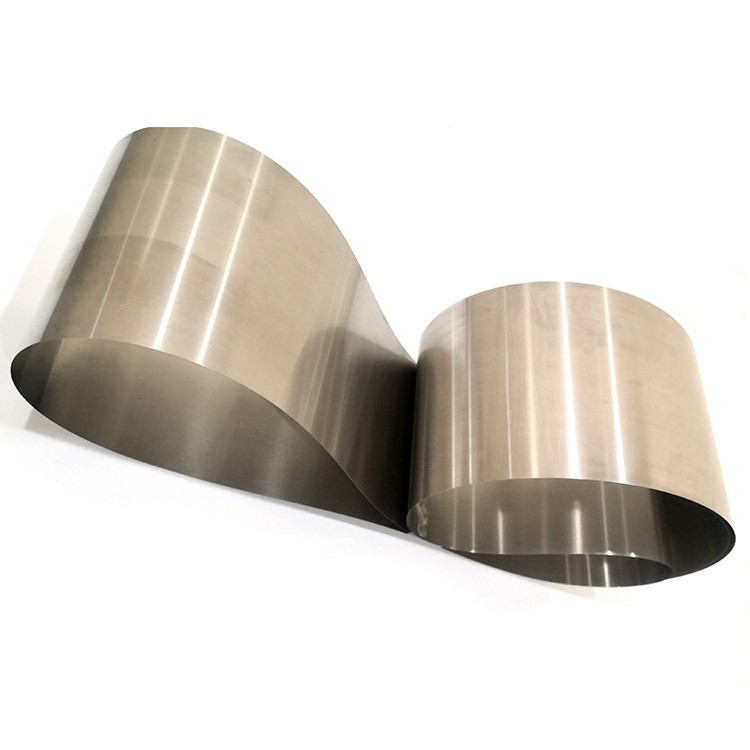
Endless steel belts

Material

SUS301,SUS304,SUS316,17-7PH,15-7PH

Thickness

0.05~0.1mm

Width

3~200mm

Hardness

HV360~HV450

Tensile Strength

1000~1500N/ mm2

Edge Camber

<=2mm/10,000mm

Edge Status

Well-rounded


Installation Notes of Endless Steel Belts


Inspect all components of the conveyor system, including the pulleys, rollers, and frame, to ensure they are in good condition and properly aligned. Any worn or damaged parts should be repaired or replaced according to the endless steel belt specification to prevent issues during operation.


Carefully position the endless steel belt on the conveyor frame. Ensure that the belt is aligned correctly with the pulleys and rollers. Misalignment can cause excessive wear and reduce the belt’s lifespan. Use alignment tools to verify that the belt is centered and parallel to the conveyor frame.


Conduct a test run to verify that the belt operates smoothly and efficiently. Observe the belt’s movement and listen for any unusual noises that May indicate issues such as misalignment or improper tension. If any problems are detected, stop the conveyor and make the necessary adjustments according to the endless steel belt specification.


Production Process of Endless Steel Belts


01/

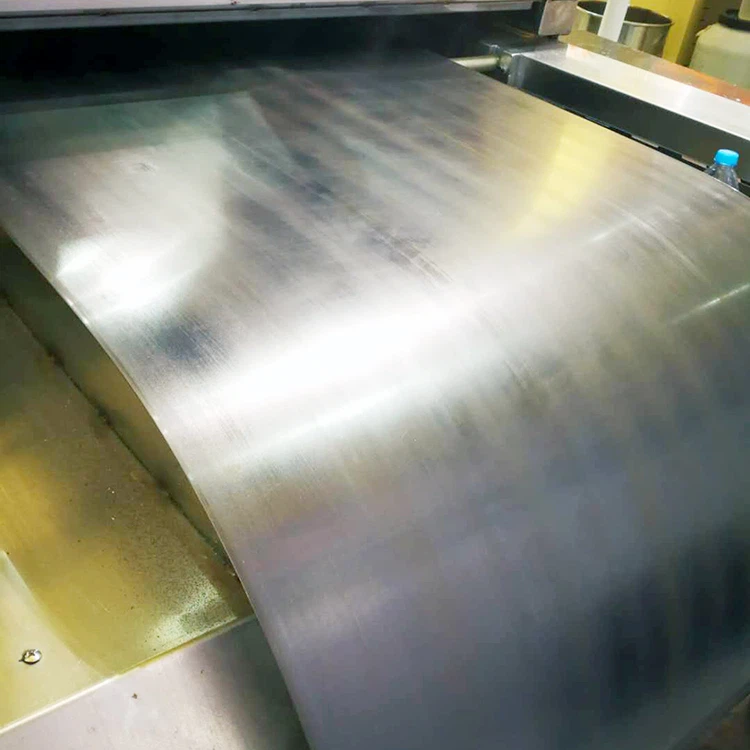
Cold rolling: At the heart of the production process lies the cold rolling stage, where coiled steel undergoes deformation at low temperatures. This method enhances the material’s strength and hardness while maintaining its flexibility. Cold rolling is pivotal in ensuring that the steel belts achieves the desired tensile strength, crucial for its subsequent applications in heavy-duty packaging.

02/

Slitting: Following cold rolling, the steel coil undergoes slitting, a precise process that divides the wide coil into narrower strips. This step is imperative to tailor the steel belts to specific width requirements. The versatility of metal steel belts lies in its ability to accommodate various dimensions, making it suitable for a wide array of packaging needs.

03/

Bluing: The bluing process adds a protective layer to the steel belts, enhancing its corrosion resistance. Ribbon Bluing metal steel belts, in particular, undergoes a specialized treatment that imparts a distinctive blue hue, serving both aesthetic and functional purposes.

04/

Roll up: After bluing, the steel strips are meticulously wound into coils, ready for the subsequent stages. The roll-up process demands precision to create compact and uniform coils, ensuring ease of handling during the packaging application.

05/

Packaging: Once coiled, the metal steel belts is carefully packaged to protect it during transportation and storage. This stage involves labeling and quality checks to guarantee that the products meet the highest industry standards.

06/

Finished product stacking: The packaged metla steel belts is then stacked in an organized manner, awaiting the next phase. The stacking process is crucial to optimize storage space and facilitate efficient handling when the steel belts is called into action.


Packaging and Shipping of Endless Steel Belts


Packing

Wooden case / Carton / Bulk / Individually Packaged / Customized

Shipping

Container transport, by sea.


FAQ


Q: What is meant by endless belt?

A: Endless belts are continuous belts that are used to transport materials during the production process. The “endless” part of endless belts means they have no seams or joints. They are typically made with some type of rubber—like urethane, neoprene, or nitrile—and come in various dimensions and surface profiles.

Q: What is the difference between open ended and endless timing belts?

A: Traditional timing belts are available in two primary configurations: Welded Endless, which are seamless for high-tension applications, and Open Ended, which provide flexibility in length for linear motion and custom setups.

Q: Why V-belts are made endless?

A: The V-belt drive gives compactness due to the small distance between the centres of pulleys. The drive is positive because the slip between the belt and the pulley groove is negligible. Since the V-belts are made endlessly and there is no joint trouble, therefore the drive is smooth.

Q: How are steel belts spliced?

A: The two methods are: Steel belt fastening – the process of joining steel belt ends with metallic or non-metallic fasteners. Endless splicing – the process of joining belt ends through a combination of pressure, heat, and time or through chemical bonding. All splices wear over time.

Q: What material is steel belt?

A: Steel belts are generally made from carbon steel or stainless steel which has been alloyed or treated depending on the application. Compared to plastic belts, steel belts are generally more expensive upfront, but it can offer better durability.

Q: How do metal belts contribute to sustainability?

A: Metal belts are sustainable due to their reusability and durability. They also find applications in recycling facilities, aiding in the separation of materials.

As one of the most professional endless steel belts manufacturers and suppliers in China, we're featured by quality products and good service. Please rest assured to wholesale customized endless steel belts made in China here from our factory.

customized perforated steel belts, portable perforated steel belts, alloy metal belts

(0/10)

clearall