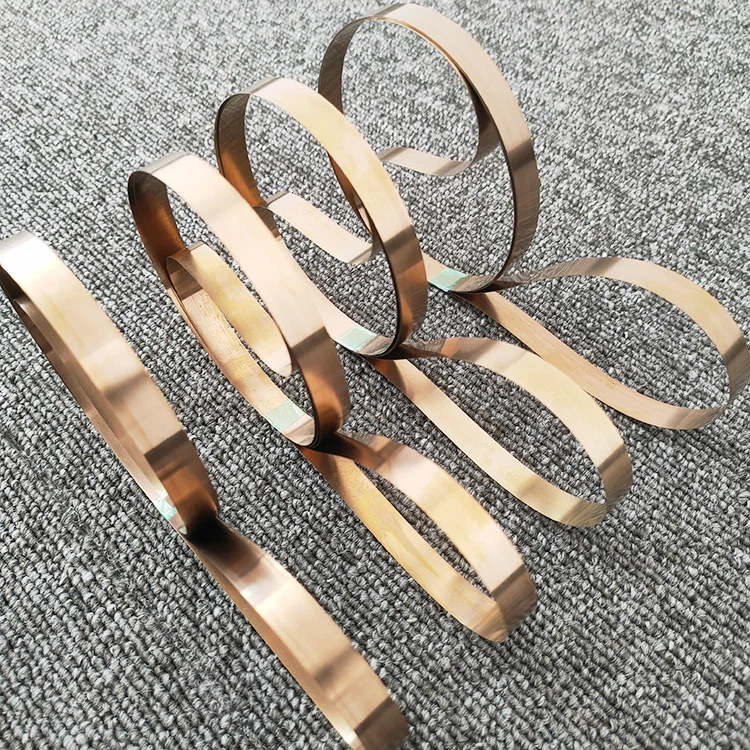
Metal Belts

Your Professional Metal Belts Supplier


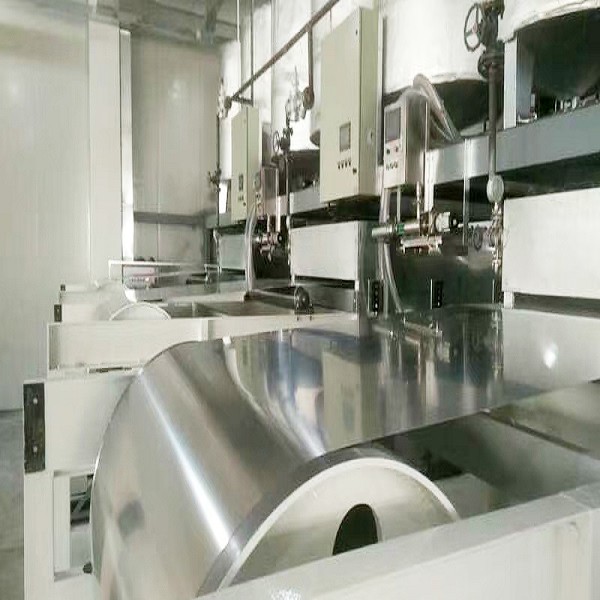
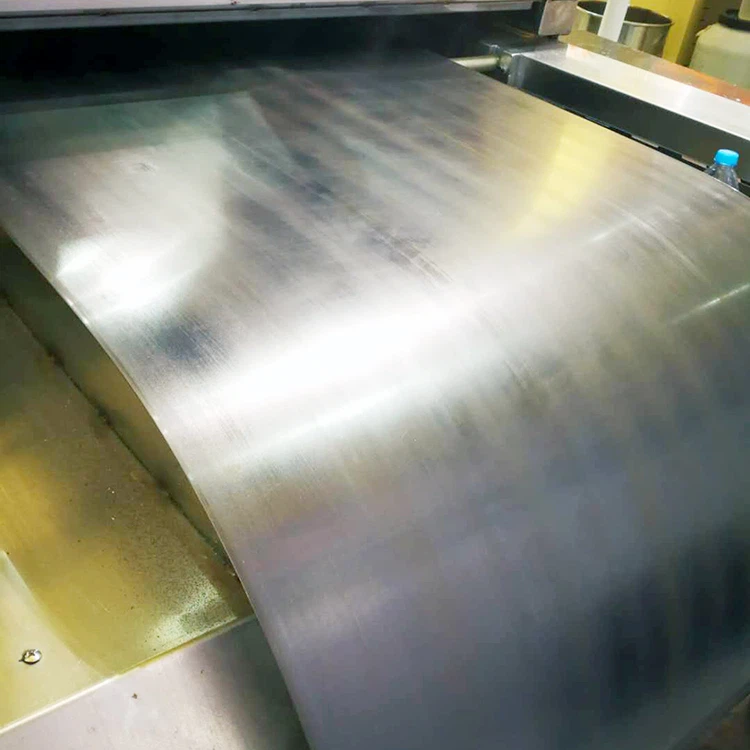
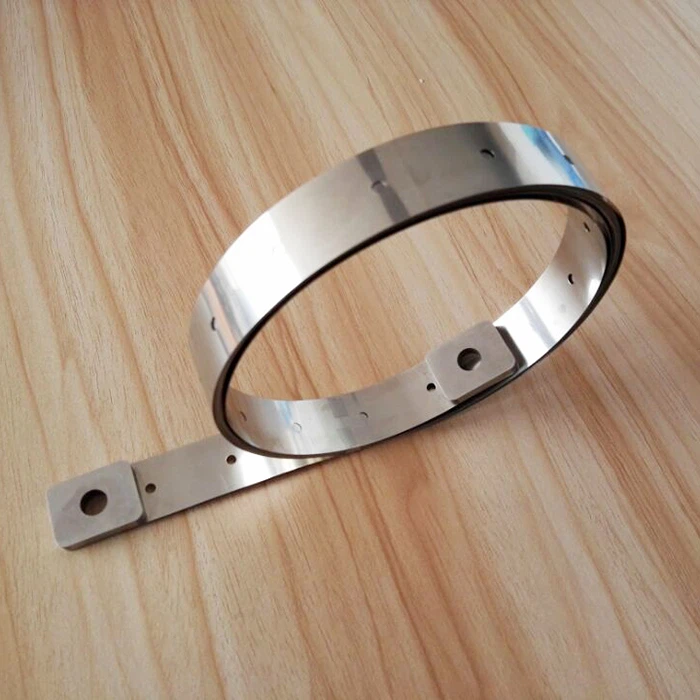
Our goal is to become your true partner in the field of metal belts in China. Acome Machinery Co.,Ltd. (Acome) is a professional endless stee lbelt manufacturer, which is one of technology innovation enterprises with R&D,production and sales. Acome has introduced many types of processing equipments and detection instruments. Our company is committed to applying advanced manufacturing technology and strict quality control standards to every product. The price is competitive and the product is quality-assured, which is a good choice for your long-term cooperation.


Why Choose Us


Product application

Acome professionally tend to manufacture endless steel conveyor belts,band saws, ultra-thin tubes, diamond tools and precision machined parts, for varieties of industrial applications. Acome's products involved in automative, machinery, texile and other fields.


Product market

There are sales branch offices or partners in America, Canada, India,Taiwan and Eastsouth Asia countries. Successfully we have owned many customers of overseas endless steel belts market.


Our service

The company has a professional sales team to provide you with high-quality pre-sales consulting services. During the order production process, customers can communicate with us at any time to understand the production progress. At the same time, we provide high-quality after-sales service to meet the different needs of customers.


Advantages of Metal Belts


01/

Accuracy and repeatability: Our metal belt technology offers unique designs which will guarantee zero slip and absolute precision, which is especially notable in our drive tapes and timing belts. Stainless steel drive tapes substantially reduce chordal vibration, motion loss and backlash that can often result in inaccurate positioning of robotic motion profiles.

02/

Cleanliness: Unlike other belting materials, metal belts don’t generate dust or particulates that could spoil or corrupt food or pharmaceutical products. Stainless steel’s nonporous surface resists contamination, a benefit for applications where food bacteria or other germs could gather in grooves, marks or scratches.

03/

Durability: Whether it’s extreme temperatures or unforgiving environments, our metal belts can be engineered to handle virtually anything you can throw at them. Stainless steel has a low thermal coefficient of expansion, enabling it to better resist temperature extremes, and is also corrosion resistant and vacuum compatible.

04/

Strength: Stainless steel has a tensile strength ranging from of 180 to 300 kpsi (thousand pound-force per square inch), depending on the alloy and temper of the metal. That means relatively thin and lightweight belts can be designed to handle the stresses of almost any application.


Applications of Metal Belts


01
 

Food production

Food production involves various processes such as mixing, blending, cooking, cooling, and packaging.

 
02
 

Scrap metal

Scrap handling conveyors need to accommodate a diverse range of scrap metal sizes, from tiny fragments to large pieces equivalent to the size of refrigerators. These conveyor belts serve multiple purposes: Protecting workers, efficiently transporting scrap metal, and feeding furnaces. Designed with an appropriate pitch, scrap metal conveyor belts ensure secure movement of scrap to the furnace.

 
03
 

Conveyor ovens

Conveyor ovens play a crucial role in manufacturing durable parts and components. They are engineered to efficiently preheat, cure, bond, dry, and heat treat large quantities of workpieces. These ovens utilize metal conveyor belts that must withstand temperatures up to 260°c (500°f) over extended periods.

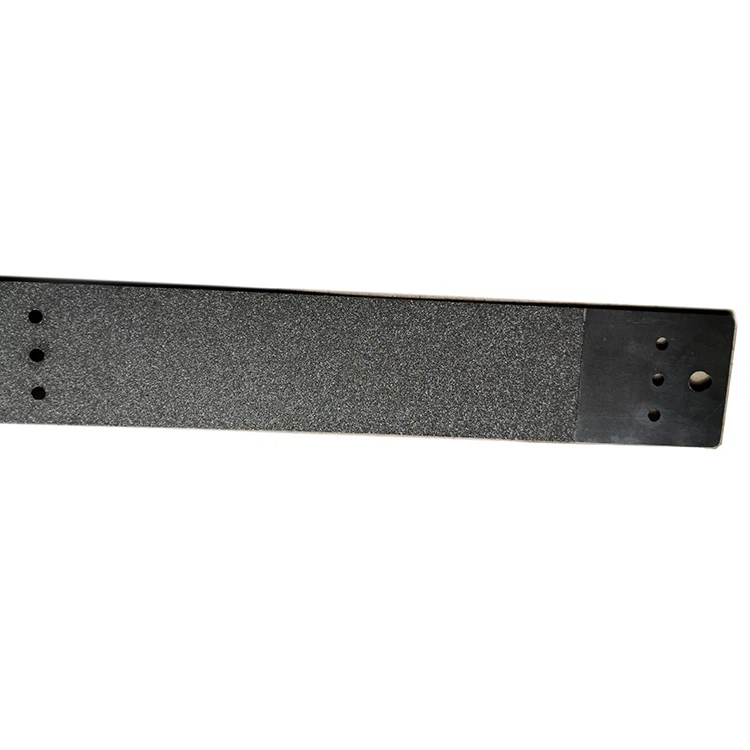
用于驱动带的穿孔钢带


Specification of Metal Belts


Name

Metal belts

Thickness

0.05~1.5mm

Width

3~600mm

Hardness

HV360~HV480

Tensile Strength

1000~1700N/ mm2

Edge Camber

<=2mm/10,000mm

Edge Status

Well-rounded


Metals Are Used to Manufacture Metal Belts

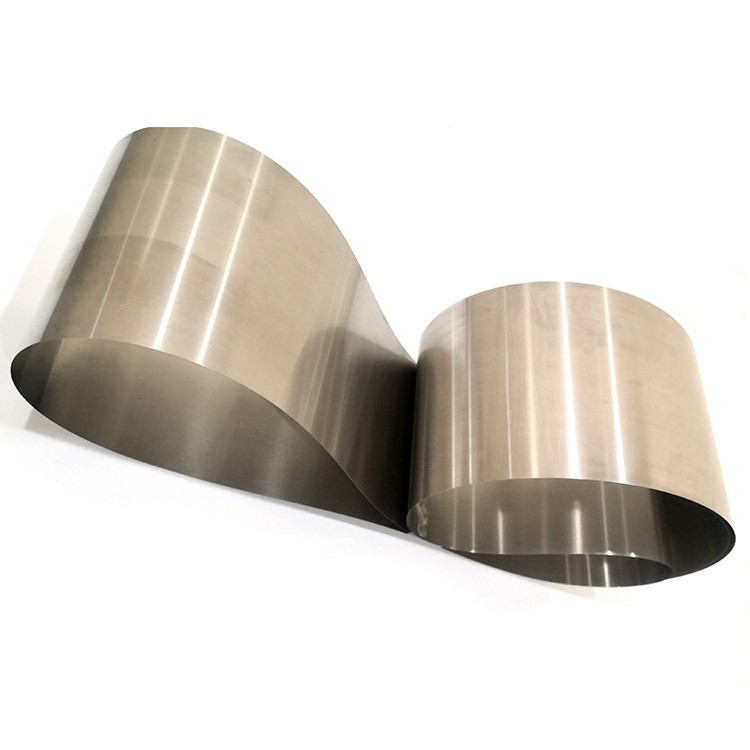
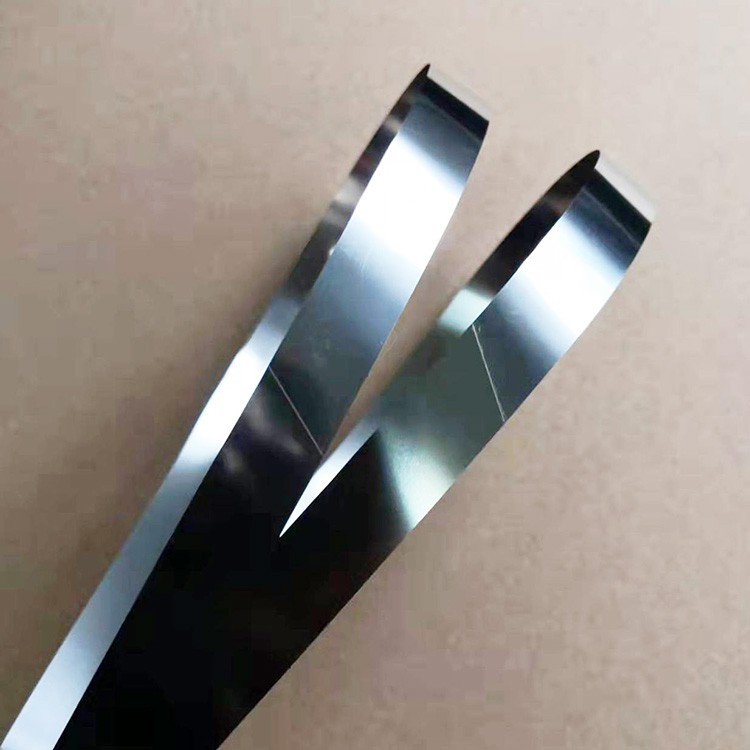
Stainless steel: Metal conveyor belts are often made from series 304 and series 316 stainless steels, chosen for their resistance to corrosion and ability to withstand temperature fluctuations. Given their widespread use in the food industry, stainless steel is preferred for its non-porous, easy-to-clean surface and remarkable durability.


Carbon steel conveyor belt: Carbon steel conveyor belts are chosen for their exceptional durability and strength, making them ideal for challenging environments like mining, manufacturing, agriculture, and logistics. These belts feature a hard, smooth surface and are commonly utilized in food processing due to their excellent thermal conductivity.

Inconel conveyor belt

Inconel is a nickel-chromium alloy known for its minimal magnetic permeability and exceptional heat resistance. Much like stainless steel, inconel is a clean metal that eliminates the need for lubrication and produces no particulate matter. Its resistance to static electricity makes it ideal for handling electronic materials during assembly.

Invar conveyor belt

Invar is an alloy composed of nickel and iron, known for its minimal thermal expansion. Its name is derived from the term 'invariable,' highlighting its stability under varying temperatures. This characteristic is crucial for applications subjected to fluctuating temperatures, where other metal conveyor belts May distort, leading to misalignment and tracking issues.

Aluminum conveyor belt

Aluminum conveyor belts are constructed from series 6063 aluminum, which undergoes a t5 heat treatment process. This treatment involves both heating and aging the material.


Teflon Coated Steel Belts


Metal Belts Manufacture

Materials: When manufacturing a conveyor belt, the first and possibly most important step is choosing the correct materials. For example, our conveyor belts are made from the highest quality stainless and carbon steel, allowing them to perform in challenging environments.


Design: Design is another important consideration when it comes to conveyor belt manufacture. The appropriate dimensions, thickness, patterns, etc must be chosen to ensure that the belt can transport its products as efficiently as possible.


Assembly: When assembling the belt, features such as pockets or flights may be integrated to customize the belt’s performance. This could include rows or specialized product separation strands. The belt can be cut to the desired length, as well as being joined together if needed.


Customizable of Metal Belts


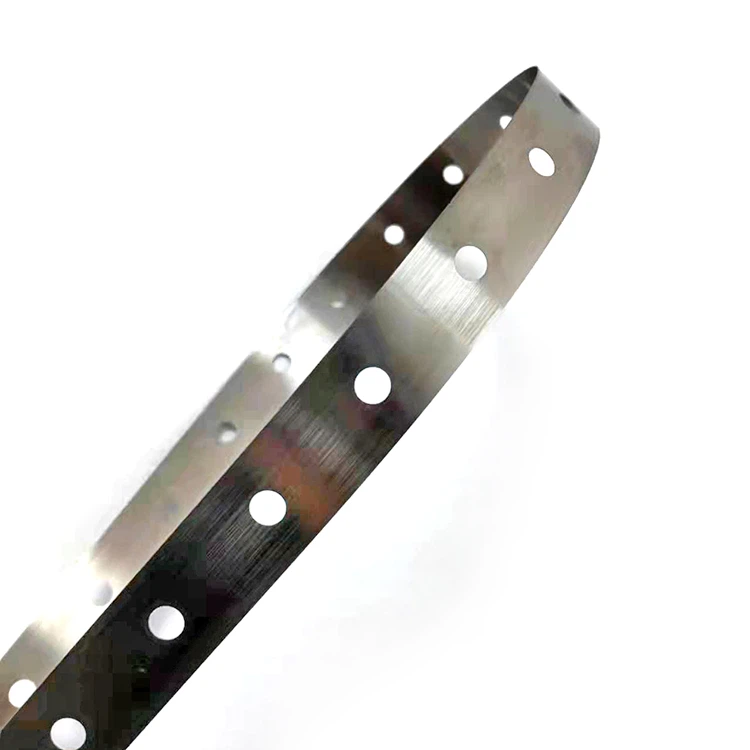
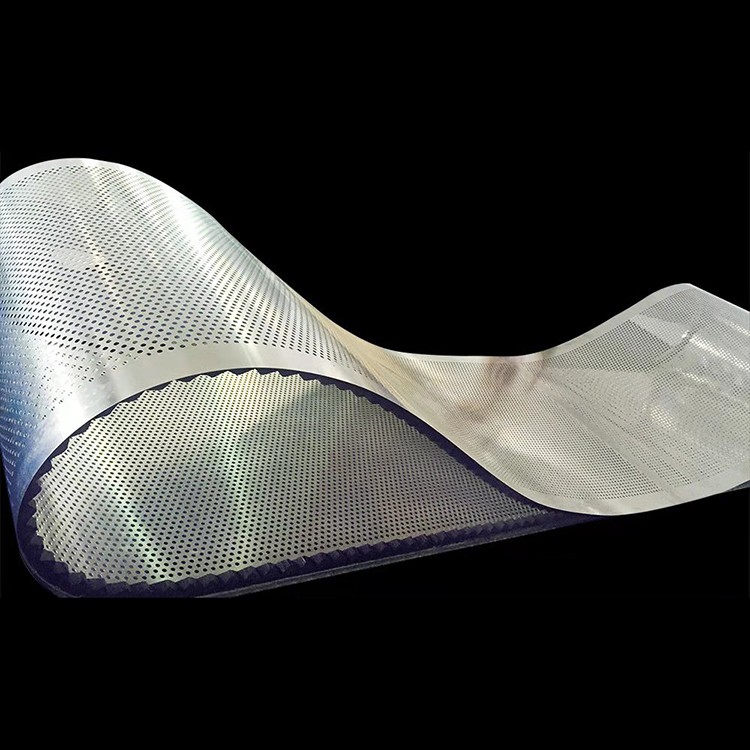
Metal belts can be customized with perforation patterns, attachments and surface coating options. One common customization option are perforations. They can be created on metal belts by mechanical and laser cutting, die-and-cut presses and rotary-pinned perforation rollers.


Custom perforations vary by manufacturer. Vacuum perforated belts are used in clean rooms, solar panel production, electronics manufacturing, printing presses, packaging and pharmaceutical processing.


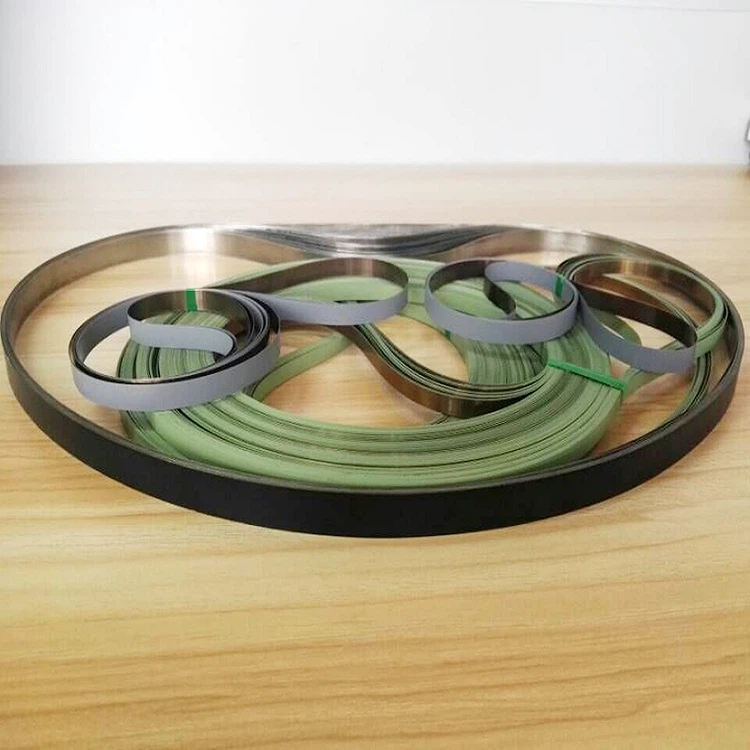
Metal belts can also be customized with coatings and surface treatments. Teflon, neoprene and silicon are the most common coatings. They can add nonstick qualities, improve lubricity, increase friction and change the belt surface’s hardness (durometer).


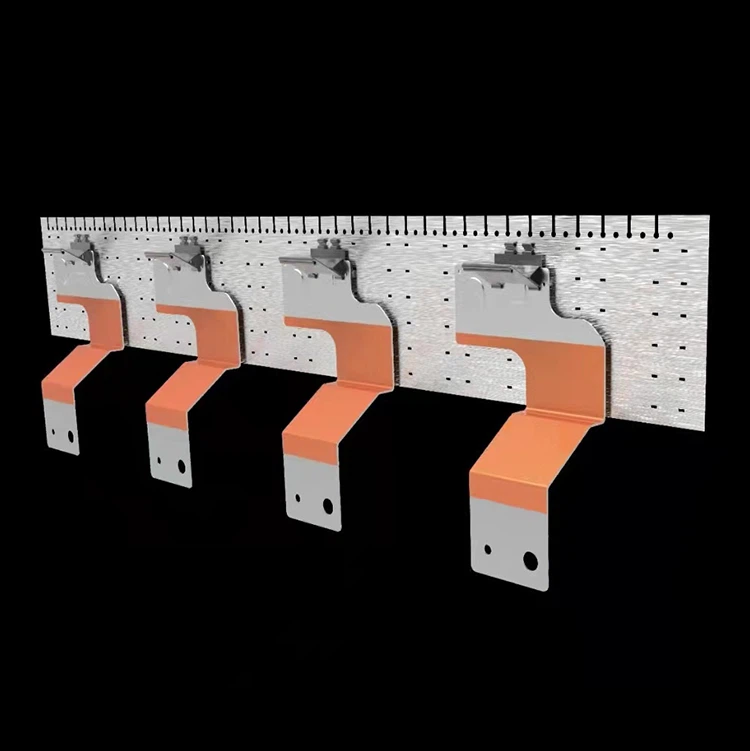
Custom attachments can also be added to metal belts, often to secure product transport or control specific manufacturing stages, including sorting, separating and feeding. Applications of belt attachments include lead frame drives, timed parts nesting and high-speed packaging.


Packaging and Shipping of of Metal Belts


Packing

Wooden case / Carton / Bulk / Individually Packaged / Customized

Shipping

Container transport, by sea.


FAQ


Q: What is a metal belt?

A: Metal conveyor belts, often made from stainless steel, are the backbone of efficiency in food processing factories. Their robust structure allows them to endure extreme temperatures, heavy loads and harsh cleaning chemicals, making them ideal for the demanding environments of food processing facilities.

Q: Do metal belts require special maintenance?

A: While metal belts are robust, regular cleaning and maintenance are necessary to ensure optimal performance and prevent contamination.

Q: What materials are metal conveyor belts typically made from?

A: Metal conveyor belts are commonly made from stainless steel due to its durability, corrosion resistance, and hygienic properties.

Q: Can metal belts withstand extreme temperatures?

A: Yes, certain types of metal conveyor belts are designed to withstand high temperatures, making them suitable for processes like baking and heat treatment.

Q: Are metal belts suitable for small and fragile items?

A: Absolutely, metal belts can be customized to accommodate items of various sizes and fragility. They ensure gentle handling and prevent damage.

Q: How do metal belts contribute to sustainability?

A: Metal belts are sustainable due to their reusability and durability. They also find applications in recycling facilities, aiding in the separation of materials.

Q: Can metal belts be used in industries beyond packaging?

A: Yes, metal conveyor belts find applications in a wide range of industries, including automotive, electronics, agriculture, and more.

As one of the most professional metal belts manufacturers and suppliers in China, we're featured by quality products and good service. Please rest assured to wholesale customized metal belts made in China here from our factory.

chrome plated metal belts, production line metal belts, long lasting metal belts

(0/10)

clearall