

Can endless steel belts be used in food - grade applications?
Sep 17, 2025
Hey there! I'm a supplier of Endless Steel Belts, and today I want to have a chat about whether these belts can be used in food - grade applications. It's a question I get asked quite a bit, so let's dig right in.
First off, what are endless steel belts? Well, they're continuous loops of steel that are used in a whole bunch of industrial applications. They come in different types, like Wide Endless Steel Belts, Precision Endless Steel Belts, and Ture Tracking Endless Steel Belts. Each type has its own unique features and is designed for specific tasks.
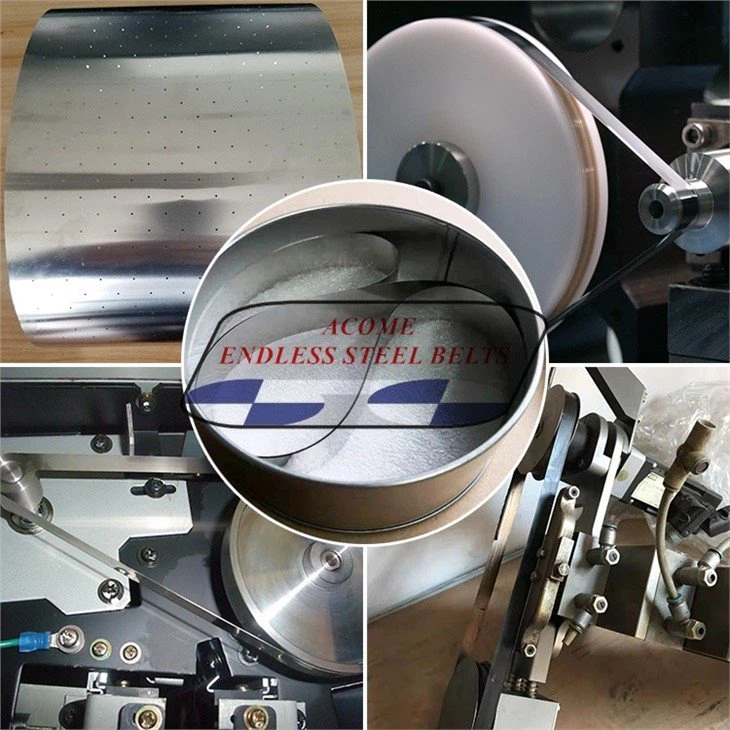

Now, the big question: Can they be used in food - grade applications? The short answer is yes, but there are some important things to consider.
Material and Hygiene
The material of the steel belt is crucial when it comes to food - grade use. We need to make sure that the steel is of high quality and doesn't contain any harmful substances that could contaminate the food. Stainless steel is a popular choice for food - grade applications because it's resistant to corrosion, easy to clean, and doesn't react with food.
For example, stainless steel grade 304 and 316 are commonly used in the food industry. Grade 304 is a general - purpose stainless steel that offers good corrosion resistance. Grade 316, on the other hand, contains molybdenum, which gives it even better resistance to corrosion, especially in environments where there are chlorides present.
Hygiene is another key factor. Food - grade endless steel belts need to be easy to clean and sanitize. They should have a smooth surface without any crevices or rough spots where food particles or bacteria could get trapped. Regular cleaning and maintenance are essential to prevent the growth of harmful microorganisms.
Manufacturing Process
The way the endless steel belts are manufactured also plays a role in their suitability for food - grade applications. The manufacturing process should be carefully controlled to ensure that the belts meet the required standards.
During the production, there should be strict quality control measures in place. This includes checking the thickness, width, and flatness of the belts. Any defects or irregularities could affect the performance of the belt and potentially lead to food contamination.
For instance, if the belt has a rough edge, it could scrape off small pieces of steel that might end up in the food. So, the edges of the belt need to be properly finished to ensure a smooth and safe operation.
Regulatory Compliance
When using endless steel belts in food - grade applications, it's important to comply with relevant regulations. Different countries and regions have their own set of rules and standards regarding food safety.
In the United States, the Food and Drug Administration (FDA) has specific requirements for materials that come into contact with food. These requirements cover aspects such as the composition of the material, its resistance to migration of substances into the food, and its ability to be cleaned and sanitized.
In the European Union, the European Food Safety Authority (EFSA) sets similar standards. Manufacturers need to ensure that their endless steel belts meet these regulations to avoid any legal issues and to guarantee the safety of the food products.
Advantages of Using Endless Steel Belts in Food - Grade Applications
There are several advantages to using endless steel belts in food - grade applications.
Durability
Steel is a very durable material, which means that the belts can withstand the rigors of continuous use in food processing environments. They can handle high temperatures, heavy loads, and abrasive materials without wearing out quickly. This reduces the need for frequent replacements, which can save time and money in the long run.
Precision
Endless steel belts can be manufactured with high precision. This is important in food processing, where accurate positioning and movement of the food products are often required. For example, in a bakery, a precision steel belt can ensure that the bread is evenly baked by moving it through the oven at a consistent speed.
Versatility
These belts can be used in a wide range of food - processing applications. They can be used for conveying, baking, freezing, cooling, and many other tasks. This versatility makes them a valuable asset in the food industry.
Challenges and Solutions
Of course, using endless steel belts in food - grade applications also comes with some challenges.
Wear and Tear
Over time, the belt may experience wear and tear due to the constant movement and contact with food and other equipment. This can lead to a decrease in performance and potentially affect the safety of the food.
To address this issue, we can use wear - resistant coatings on the belt. These coatings can protect the steel surface and extend the lifespan of the belt. Regular inspection and monitoring of the belt's condition can also help us detect any signs of wear early and take appropriate action.
Belt Tracking
Proper belt tracking is essential to ensure the smooth operation of the endless steel belt. If the belt doesn't track correctly, it can cause uneven wear, damage to the belt and the equipment, and even lead to food spillage.
We can use tracking systems to keep the belt in place. These systems can detect any deviation of the belt and make adjustments automatically. Additionally, the design of the belt and the supporting equipment should be optimized to promote proper tracking.
Conclusion
In conclusion, endless steel belts can definitely be used in food - grade applications, but it's important to pay attention to the material, manufacturing process, and regulatory compliance. By choosing the right type of steel, ensuring proper hygiene, and following the relevant regulations, we can safely use these belts in the food industry.
If you're in the food - processing business and are considering using endless steel belts, I'd love to have a chat with you. We can discuss your specific needs and find the best solution for your application. Whether you need a Wide Endless Steel Belts, Precision Endless Steel Belts, or Ture Tracking Endless Steel Belts, we've got you covered.
So, don't hesitate to reach out if you have any questions or want to start a conversation about your procurement needs. Let's work together to make your food - processing operations more efficient and safe.
References
- "Food Safety and Quality Assurance in the Food Industry" by various authors
- "Stainless Steel in Food Processing" - Industry reports and guidelines
- FDA regulations on food - contact materials
- EFSA standards for food safety in the European Union