

Can stainless steel belts be used in the automotive industry?
Jul 11, 2025
Hey there! I'm a supplier of Stainless Steel Belts, and today I wanna chat about whether stainless steel belts can be used in the automotive industry. It's a question I get asked a lot, and I'm super excited to dig into it.
Why Stainless Steel Belts?
First off, let's talk about what makes stainless steel belts so great. Stainless steel is known for its durability. It can withstand a lot of wear and tear, which is a huge plus in an industry like automotive. Cars go through a ton of stress on the road, and the parts inside need to be tough enough to handle it.
Another awesome thing about stainless steel is its resistance to corrosion. You know how cars can rust over time, especially if they're exposed to water, salt, or other harsh elements? Well, stainless steel belts don't have that problem. They can keep their shape and function even in wet or corrosive environments, which is a big deal for automotive applications.
It also has good heat resistance. In a car, there are a lot of components that generate heat, like the engine. Stainless steel belts can handle high temperatures without losing their strength or integrity, making them suitable for use in areas where heat is a concern.
Applications in the Automotive Industry
Now, let's get into the nitty - gritty of how stainless steel belts can be used in the automotive world.
Conveyor Systems
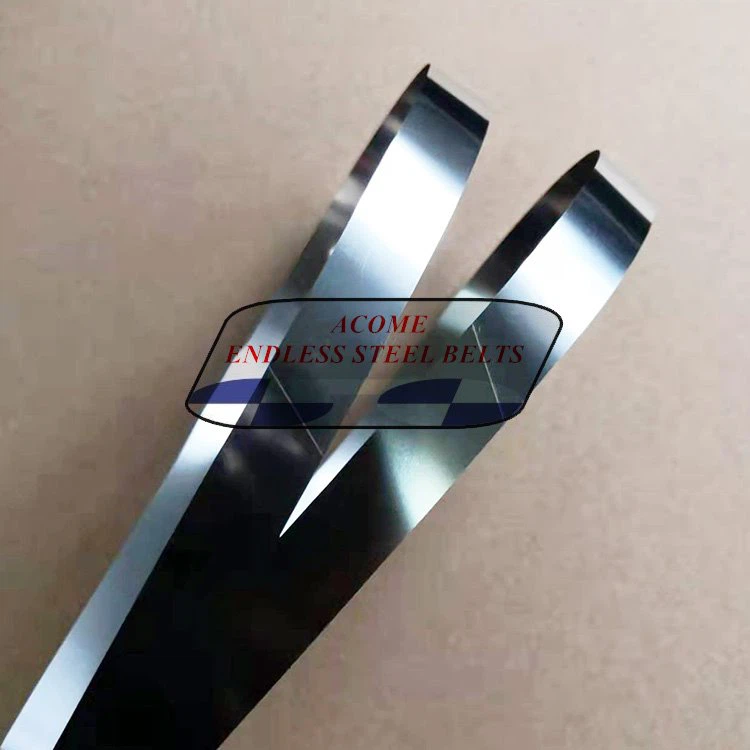
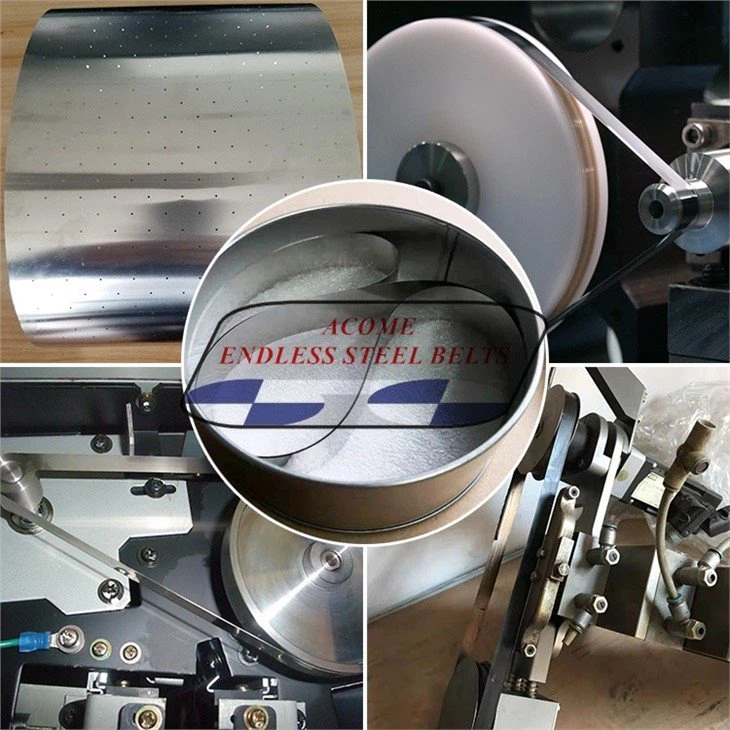
In automotive manufacturing plants, conveyor systems are everywhere. They're used to move parts along the assembly line. Stainless steel belts are perfect for these conveyor systems. They can handle heavy loads, and their smooth surface allows for easy movement of components. For example, when assembling engines, stainless steel belts can transport engine blocks from one station to another. Our Ture Tracking Endless Steel Belts are specifically designed to provide accurate tracking, which is crucial in a high - precision manufacturing environment like an automotive plant.
Timing and Transmission
Stainless steel belts can also be used for timing and transmission purposes. In an engine, precise timing is essential for proper operation. A stainless steel belt can be used as a timing belt, ensuring that the valves open and close at the right time. It has high tensile strength, which means it can transmit power efficiently without stretching or breaking easily. And compared to traditional rubber timing belts, stainless steel belts have a longer lifespan and are more reliable in the long run.
Cooling Systems
As I mentioned earlier, heat is a big issue in cars. Stainless steel belts can play a role in cooling systems. They can be used in fans or pumps to transfer heat away from the engine. Our High Temperature Resistant Endless Steel Belts are ideal for these applications as they can operate effectively in high - temperature environments without getting damaged.
Exhaust Systems
The exhaust system of a car is exposed to high temperatures, corrosive gases, and vibrations. Stainless steel belts can be used to reinforce or connect different parts of the exhaust system. Their corrosion resistance and heat tolerance make them a great choice for this harsh environment.
Advantages Over Other Materials
Compared to other materials commonly used in the automotive industry, stainless steel belts have several advantages.
Longer Lifespan
Rubber belts, for example, tend to wear out over time due to friction, heat, and exposure to chemicals. Stainless steel belts, on the other hand, can last much longer. This means less frequent replacement, which saves time and money for automotive manufacturers and car owners alike.
Higher Precision
In applications like timing and transmission, precision is key. Stainless steel belts can be manufactured with very high precision. Our Precision Endless Steel Belts are made to exact specifications, ensuring accurate performance in automotive systems.
Better Resistance to Harsh Conditions
As I've already said, stainless steel is resistant to corrosion, heat, and wear. This makes it more suitable for use in areas of the car that are exposed to harsh conditions, such as the undercarriage or the engine compartment.
Challenges and Considerations
Of course, using stainless steel belts in the automotive industry isn't without its challenges.
Cost
Stainless steel belts can be more expensive than some other materials. However, when you consider their longer lifespan and better performance, the cost - effectiveness in the long run can be quite high. Automotive manufacturers need to weigh the initial investment against the long - term benefits.
Noise and Vibration
In some applications, stainless steel belts may generate more noise and vibration compared to other materials. But with proper design and installation, these issues can be minimized. For example, adding damping materials or using special belt profiles can help reduce noise and vibration.
Conclusion
So, can stainless steel belts be used in the automotive industry? Absolutely! They offer a wide range of benefits, from durability and corrosion resistance to high - precision performance. Whether it's in manufacturing plants or in the cars themselves, stainless steel belts have a lot to offer.
If you're in the automotive industry and are looking for high - quality stainless steel belts, I'd love to talk to you. We've got a variety of products to meet your specific needs. Don't hesitate to reach out and start a conversation about your requirements. Let's work together to find the perfect stainless steel belt solutions for your automotive applications.
References
- "Automotive Materials Handbook"
- Industry reports on automotive manufacturing and component technologies.