

How does the thickness of steel belts affect V guiding performance?
Oct 14, 2025
Hey there! As a supplier of Steel Belts V Guiding, I've been getting a lot of questions lately about how the thickness of steel belts affects V guiding performance. So, I thought I'd dive into this topic and share some insights with you all.
First off, let's talk about what V guiding is and why it's important. V guiding is a technique used to keep steel belts running straight and true in various industrial applications. It involves using a V-shaped groove or guide to align the belt and prevent it from wandering off track. This is crucial for ensuring smooth operation, reducing wear and tear on the belt and other components, and maintaining product quality.
Now, let's get into the thickness factor. The thickness of a steel belt can have a significant impact on its V guiding performance. Thicker belts generally offer more rigidity and stability, which can be beneficial for V guiding. They are less likely to flex or bend under load, which helps to keep the belt in alignment with the V guide. This is especially important in high-speed or heavy-duty applications where the belt is subjected to significant forces.
On the other hand, thinner belts are more flexible and can conform to the shape of the V guide more easily. This can result in a better fit and more precise guiding, especially in applications where the belt needs to make tight turns or navigate complex paths. Thinner belts also tend to be lighter, which can reduce the overall weight of the system and improve energy efficiency.
So, which is better - thick or thin? Well, it really depends on the specific application. In some cases, a thicker belt may be the best choice for ensuring maximum stability and durability. For example, in a conveyor system that transports heavy loads over long distances, a thick steel belt can provide the strength and rigidity needed to handle the weight and keep the belt on track.
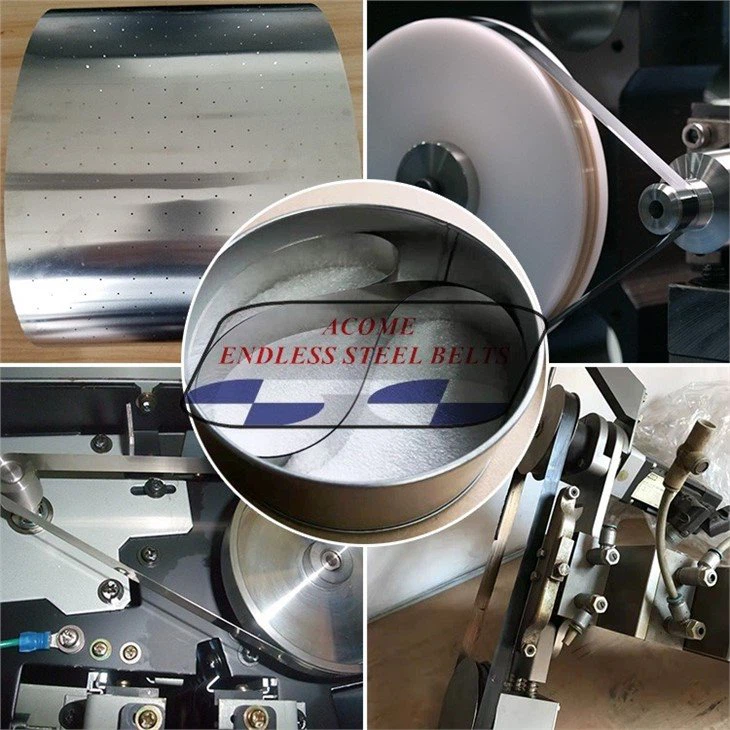
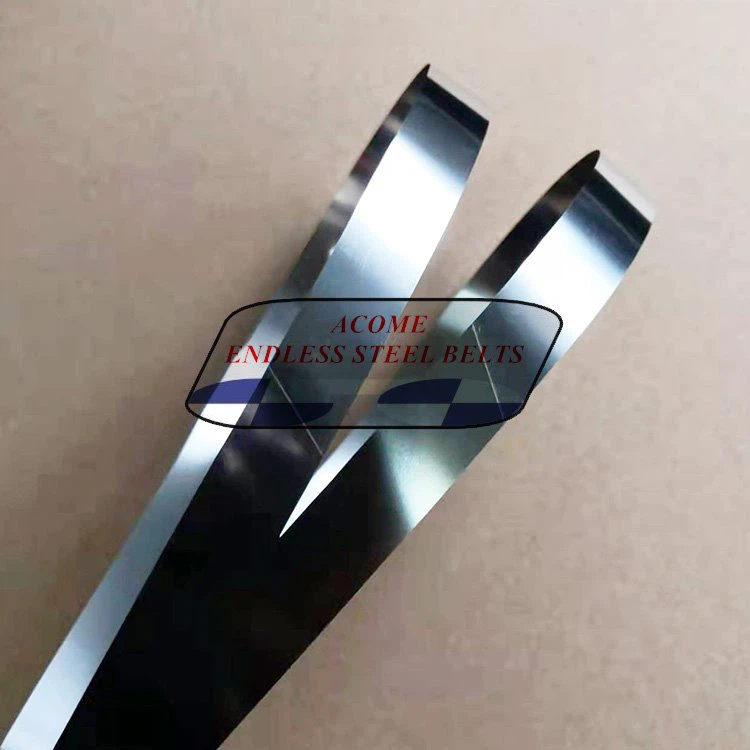
In other applications, a thinner belt may be more suitable. For instance, in a printing press or a packaging machine where the belt needs to move quickly and accurately, a thin belt can offer the flexibility and precision required for smooth operation.
It's also important to consider the material and quality of the steel belt. High-quality steel belts are typically made from premium materials that offer excellent strength, durability, and corrosion resistance. They are also manufactured to precise specifications to ensure consistent thickness and uniform properties throughout the belt. This can have a big impact on V guiding performance, as a belt with inconsistent thickness or properties may not track properly or may wear out more quickly.
At our company, we offer a wide range of steel belts for V guiding applications, including Ture Tracking Endless Steel Belts, Wide Endless Steel Belts, and Precision Endless Steel Belts. Our belts are available in a variety of thicknesses and widths to meet the specific needs of your application. We also offer custom manufacturing services to create belts that are tailored to your exact specifications.
If you're in the market for steel belts for V guiding, I encourage you to reach out to us. Our team of experts can help you select the right belt for your application based on your specific requirements and budget. We can also provide you with detailed information about the performance and benefits of our belts, as well as any technical support you may need.
In conclusion, the thickness of steel belts can have a significant impact on V guiding performance. Thicker belts offer more rigidity and stability, while thinner belts are more flexible and precise. The best choice depends on the specific application, as well as the material and quality of the belt. If you have any questions or need help selecting the right belt for your application, don't hesitate to contact us. We're here to help you get the most out of your steel belts and ensure the smooth operation of your equipment.
References
- "Introduction to Steel Belts in Industrial Applications" - Industry Handbook
- "V Guiding Techniques for Steel Belts" - Technical Journal
- "Impact of Belt Thickness on Guiding Performance" - Research Paper