

Can welded steel bands be used in high - temperature environments?
Oct 09, 2025
Can welded steel bands be used in high - temperature environments? Well, that's a question I get asked a lot as a supplier of welded steel bands. Let's dig into this topic and find out the ins and outs.
First off, let's understand what welded steel bands are. They're basically steel strips that have been welded together to form a continuous loop. These bands are super useful in all sorts of industries, from manufacturing to food processing. You can check out more about different types on our site, like Precision Endless Steel Belts, Welded Endless Steel Belts, and Ture Tracking Endless Steel Belts.
Now, back to the main question: Can they handle high - temperature environments? The short answer is, it depends.
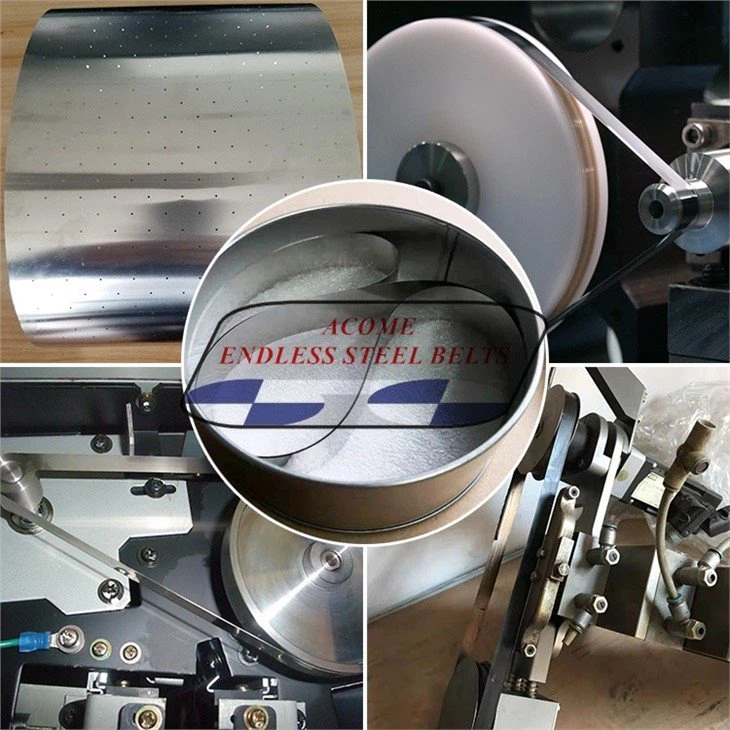

Factors Affecting Welded Steel Bands in High - Temperature Environments
Material Composition
The type of steel used in the welded bands plays a huge role. Stainless steels, for example, are often a good choice for high - temperature applications. They contain elements like chromium and nickel, which form a protective oxide layer on the surface when exposed to heat. This layer helps prevent corrosion and oxidation, allowing the steel to maintain its strength and integrity at elevated temperatures.
On the other hand, carbon steels may not be as suitable. They can lose their strength and become brittle when heated for extended periods. So, if you're dealing with extreme heat, stainless steel welded bands are usually the way to go.
Welding Quality
The quality of the weld is also crucial. A poorly welded joint can be a weak point in the band, especially in high - temperature environments. When the steel expands and contracts due to temperature changes, a sub - standard weld may crack or break. That's why we at our company take great care in ensuring that every weld is done to the highest standards. We use advanced welding techniques and quality control measures to make sure our welded steel bands can withstand the heat.
Thickness of the Band
The thickness of the welded steel band matters too. Thicker bands generally have better heat - resistance properties. They can absorb more heat without deforming as easily as thinner bands. However, thicker bands may also be heavier and more rigid, which could be a drawback in some applications. So, it's a balance between heat resistance and other factors like flexibility and weight.
Applications of Welded Steel Bands in High - Temperature Environments
Heat Treatment Processes
In heat treatment plants, welded steel bands are used to transport parts through different heating and cooling zones. The bands need to withstand the high temperatures of the furnaces, which can reach several hundred degrees Celsius. Our welded steel bands, made from high - quality stainless steel, are well - suited for this task. They can maintain their shape and strength, ensuring smooth operation of the heat treatment process.
Glass Manufacturing
The glass industry also relies on welded steel bands in high - temperature areas. During the glass forming process, the bands are used to convey the molten glass. The high temperatures involved in glass manufacturing can be very challenging, but our bands are designed to handle it. They resist the heat and the chemical reactions that can occur with the molten glass, ensuring a reliable and efficient production process.
Food Baking and Roasting
In the food industry, welded steel bands are used in ovens for baking and roasting. These ovens can reach high temperatures, and the bands need to be food - grade and heat - resistant. Our bands are made from materials that meet food safety standards and can withstand the heat of the baking process. They provide a stable surface for the food products, ensuring even cooking and high - quality results.
Limitations and Precautions
Thermal Expansion
One of the main limitations of using welded steel bands in high - temperature environments is thermal expansion. As the temperature rises, the steel expands. If the band is not properly installed or if there's no allowance for expansion, it can lead to problems like buckling or stretching. To prevent this, we recommend proper installation techniques and the use of expansion joints in the system.
Oxidation and Corrosion
Even though stainless steel is more resistant to oxidation and corrosion, it's not completely immune. In extremely high - temperature and corrosive environments, the protective oxide layer on the steel surface may break down over time. Regular inspection and maintenance are necessary to detect any signs of oxidation or corrosion and take appropriate measures, such as cleaning and applying protective coatings.
Conclusion
So, can welded steel bands be used in high - temperature environments? Absolutely! With the right material, welding quality, and proper installation, our welded steel bands can handle a wide range of high - temperature applications. Whether you're in the heat treatment, glass manufacturing, or food industry, we have the solution for you.
If you're interested in purchasing welded steel bands for your high - temperature needs, don't hesitate to reach out. We're here to help you find the perfect product for your specific application. Let's have a chat about your requirements and see how we can work together to make your operations more efficient and reliable.
References
- ASM Handbook, Volume 1: Properties and Selection: Irons, Steels, and High - Performance Alloys
- Welding Handbook, Volume 2: Welding Processes
- Material Science and Engineering: An Introduction by William D. Callister, Jr. and David G. Rethwisch